
Haunting the Battlefield: Supernatural World War Cinema
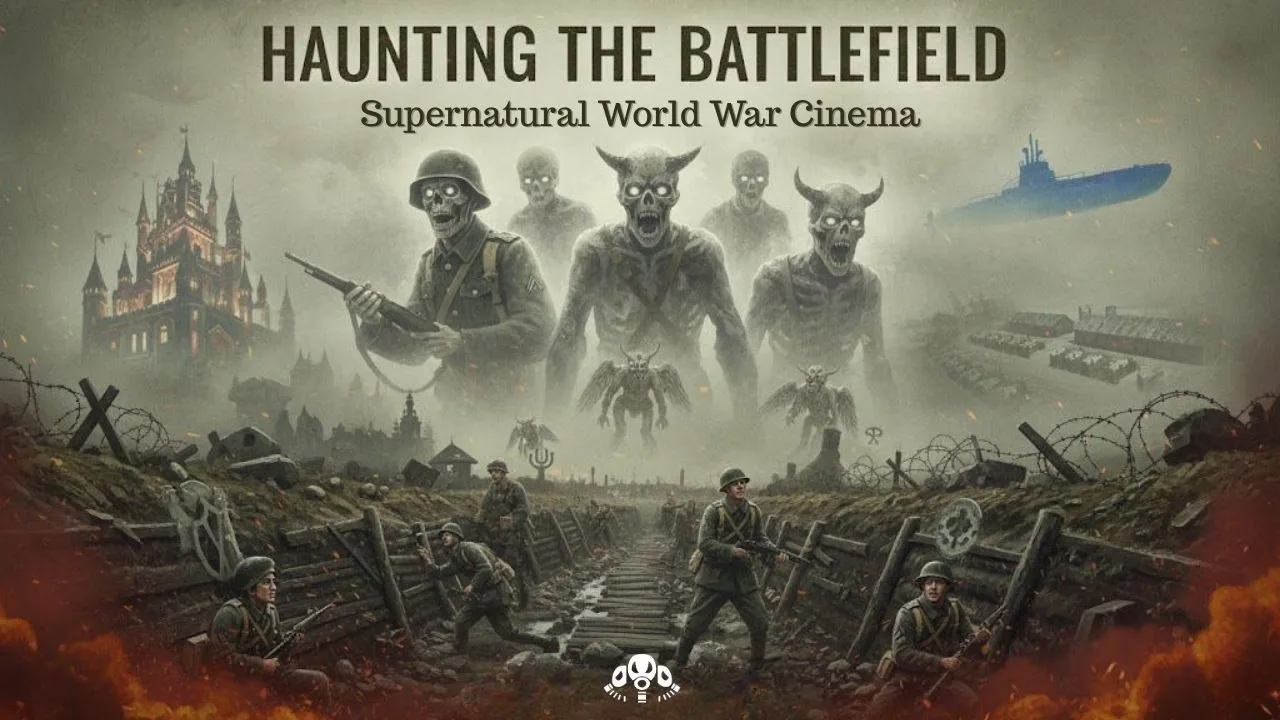

Ghosts in the Trenches
War, with all its chaos, violence, and moral ambiguity, has always invited filmmakers to explore the human condition. But what happens when war intersects with the supernatural—when ghosts linger in the bunkers, demons creep among the dead, and ancient myths are unearthed amidst the carnage?
Supernatural World War films are a curious hybrid: not quite horror, not strictly war dramas, but a unique fusion that reflects the psychic scars of global conflict. They dig deeper than bullets and bombs, tapping into primal fears, historical trauma, and metaphysical questions. What if the horrors of war awakened something ancient and unspeakable? What if soldiers fought not only for survival, but for their souls?
This genre—though niche—is steadily growing in cult appeal, drawing from literature, philosophy, psychology, and the visual arts to craft a disquieting subgenre where war becomes both a battlefield and a haunted house.
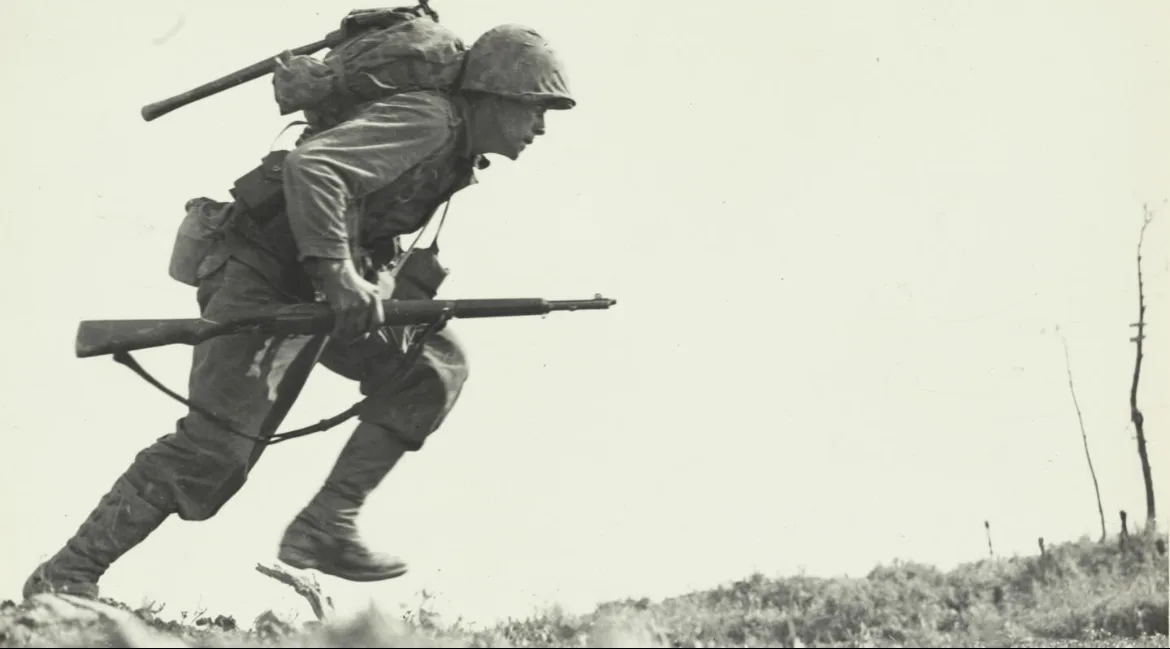
From Gothic Horror to War Literature
Supernatural war narratives didn’t begin with film. Gothic literature of the 19th century, steeped in ghost stories and cursed legacies, laid the foundation. Writers like Ambrose Bierce (a Civil War veteran) introduced spectral elements into war stories long before cinema caught on. His short story An Occurrence at Owl Creek Bridge blurs the lines between life and death—an idea many supernatural war films later echo.
The world wars inspired an explosion of literature grappling with trauma, loss, and the psychological toll of combat. Works like Erich Maria Remarque’s All Quiet on the Western Front and Wilfred Owen’s poetry captured the shell-shocked minds of soldiers. Owen’s haunting lines—“In all my dreams before my helpless sight / He plunges at me, guttering, choking, drowning”—have reverberated far beyond the trenches, echoing through the haunted psyches of characters in supernatural war cinema.
Siegfried Sassoon, Isaac Rosenberg, and Ivor Gurney were among the World War I poets whose verses blended stark realism with surreal, nightmarish imagery. Their words often seemed to come from liminal spaces between life and death, sanity and madness. These poetic fragments inspired visual and thematic elements of films like Deathwatch and The Bunker, where language and atmosphere evoke a spectral no-man’s-land.
J.G. Ballard’s The Atrocity Exhibition and Robert Graves’s Goodbye to All That introduced psychological fragmentation and unreliability into the narrative of war—techniques mirrored in films like Jacob’s Ladder. H.P. Lovecraft and Robert E. Howard, though writing pulpy fiction, were also deeply influenced by wartime anxieties, infusing their tales with paranoia, madness, and cosmic dread.
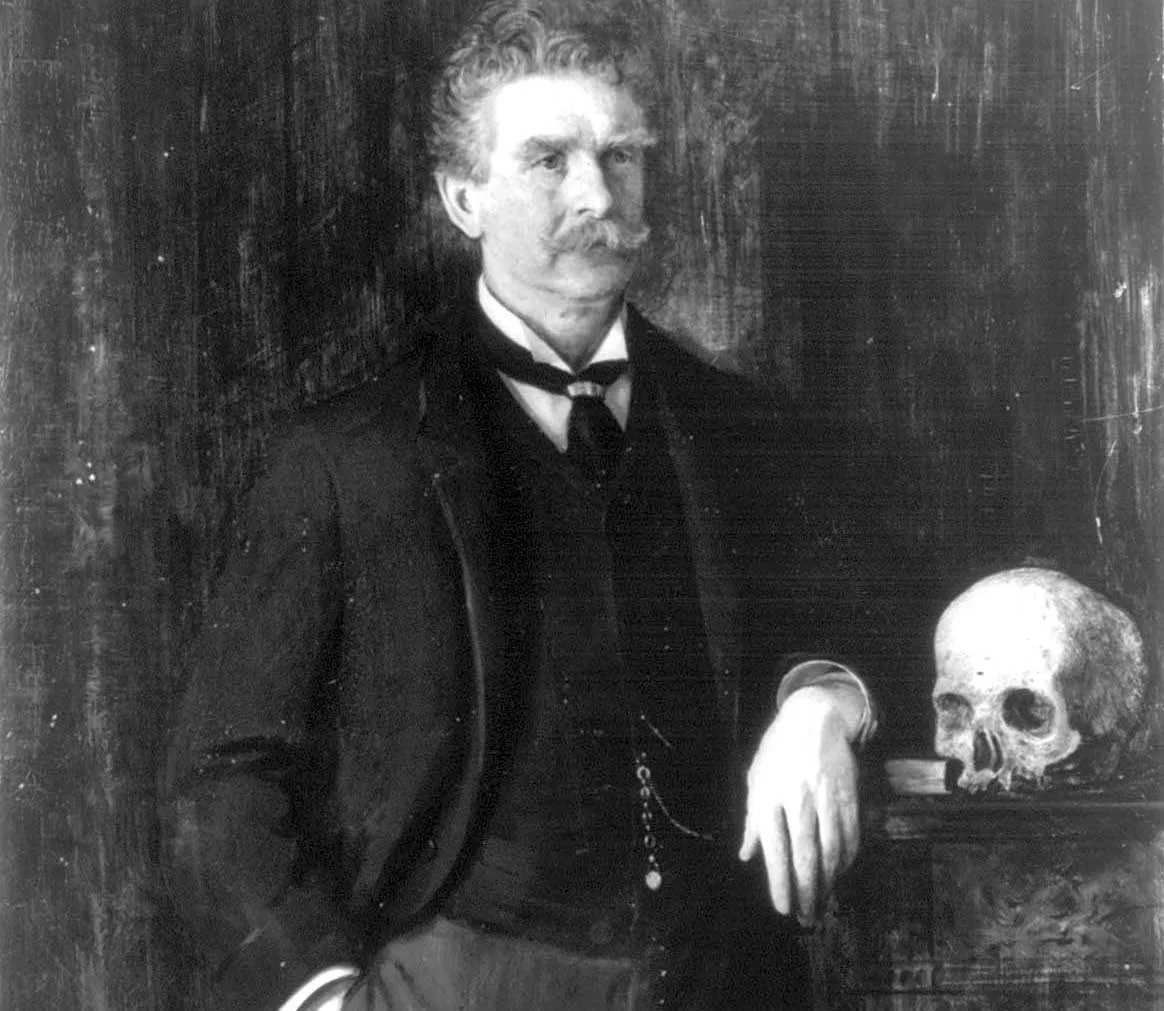
Psychological Scars and Spectral Visions: PTSD and Hallucination in War
The psychological damage inflicted by war has always defied complete diagnosis. During World War I, thousands of men returned home with “shell shock”—a term initially used to describe physical injury caused by proximity to explosions, but which soon expanded to include emotional breakdowns, hallucinations, mutism, and nightmares. By World War II, the term evolved into “combat fatigue,” and by the Vietnam War, it was finally recognised as PTSD (Post-Traumatic Stress Disorder).
Real-world cases reveal disturbing accounts of hallucinations, dissociation, and lingering delusions. British soldier Wilfred Owen described seeing “ghosts among the wire.” U.S. Marine Eugene Sledge recalled dreams of rotting corpses and crying out in his sleep for years after fighting on Peleliu. French WWI veteran Marc Bloch wrote in his diary about hearing phantom artillery fire weeks after leaving the front.
These personal horrors form the emotional spine of many supernatural war films. In Jacob’s Ladder, the protagonist’s disturbing visions stem from trauma and drug experimentation, but the film resists a single explanation—perhaps PTSD, perhaps purgatory. Deathwatch similarly blurs the boundaries: are the soldiers haunted by supernatural forces, or their own guilt and madness?
PTSD is not just a psychological condition—it’s a ghost that follows soldiers home. This is why the supernatural genre fits war so well. The violence doesn’t end with the ceasefire. It lingers, invisible and insidious, devouring sanity.
The Art of the Supernatural War Film: Symbolism and Cinematic Craft
Cinematically, these films rely heavily on atmosphere. Lighting is crucial—contrasting war’s brutal realism with shadowy, spectral elements. Directors often use claustrophobic settings—trenches, bunkers, abandoned castles—to heighten tension and isolation. The fog of war becomes literal and metaphysical.
Music and sound design also play pivotal roles. Industrial groans, eerie whispers, and distorted battlefield noises blur the line between the mundane and the monstrous. Costuming blends historical accuracy with occult symbolism—swastikas next to runes, dog tags over pentagrams.
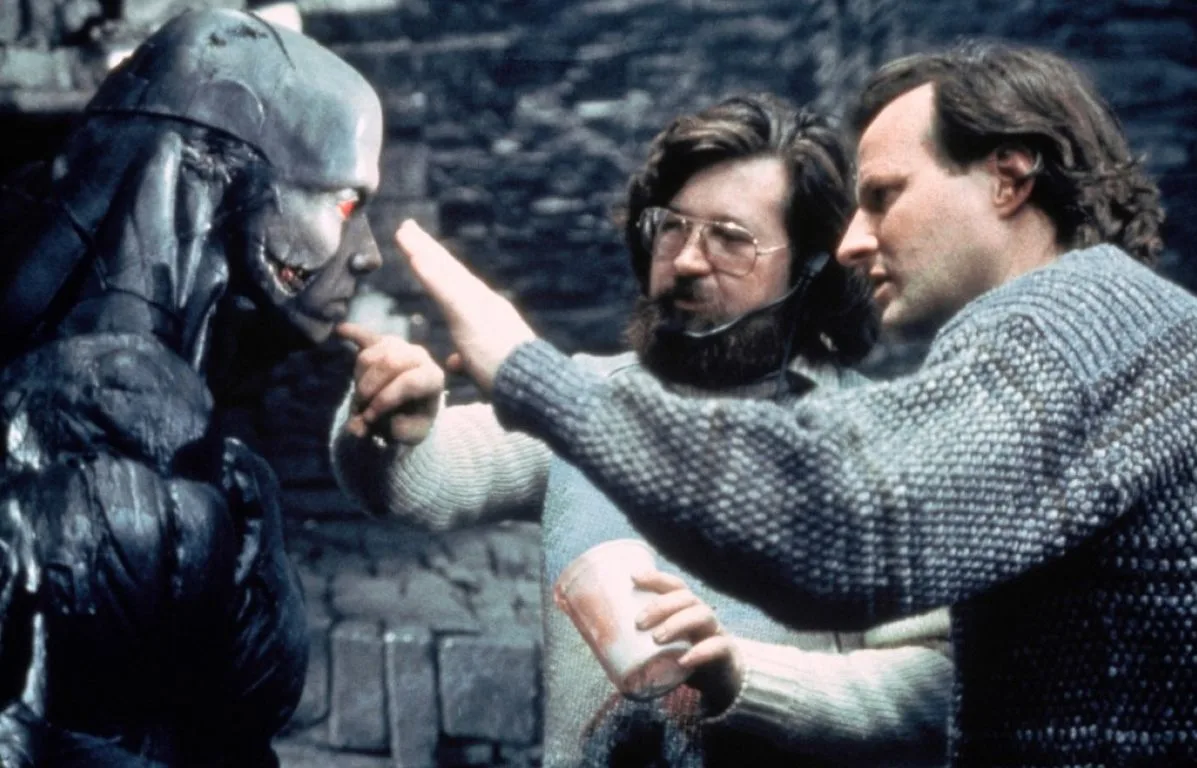
Director Michael Mann (The Keep) said in a rare interview, “War magnifies fear, and fear opens doors. In The Keep, I wanted to explore how ancient evil slips into our reality when that fear is absolute.”
Filmmaker Julius Avery (Overlord) noted, “The idea that the Nazis were obsessed with the occult isn’t just fiction. We wanted to exaggerate that reality into full-blown horror. What better way to show the evil of fascism than to literalize it with monsters?”
Guillermo del Toro, whose Pan’s Labyrinth is a spiritual cousin of the genre, remarked, “The supernatural gives us a way to talk about the horrors we can’t explain. In war, especially for children, the rules of the world fall apart. Myth becomes the only way to survive.”
Historical Echoes: Real-World Roots of Supernatural War Myths
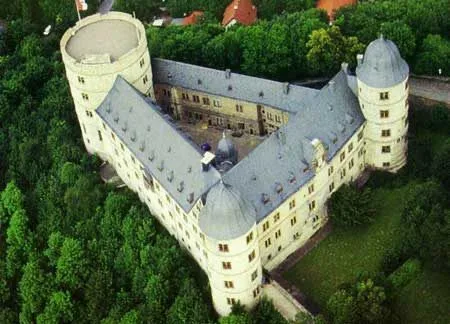
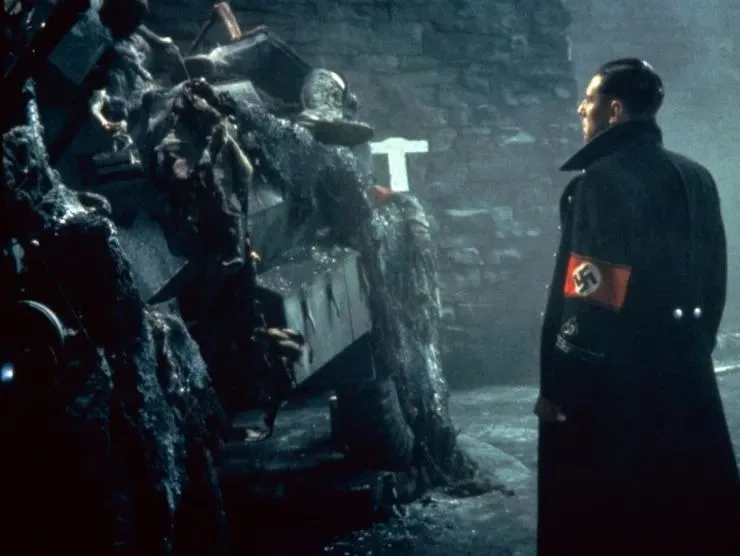
Much of the power behind these films lies in their eerie connections to real history. The Nazi regime’s documented interest in the occult (via the Ahnenerbe, an SS research institute) inspired decades of speculation. Heinrich Himmler’s obsession with runes, Grail myths, and Aryan mysticism created fertile ground for fictional interpretations.
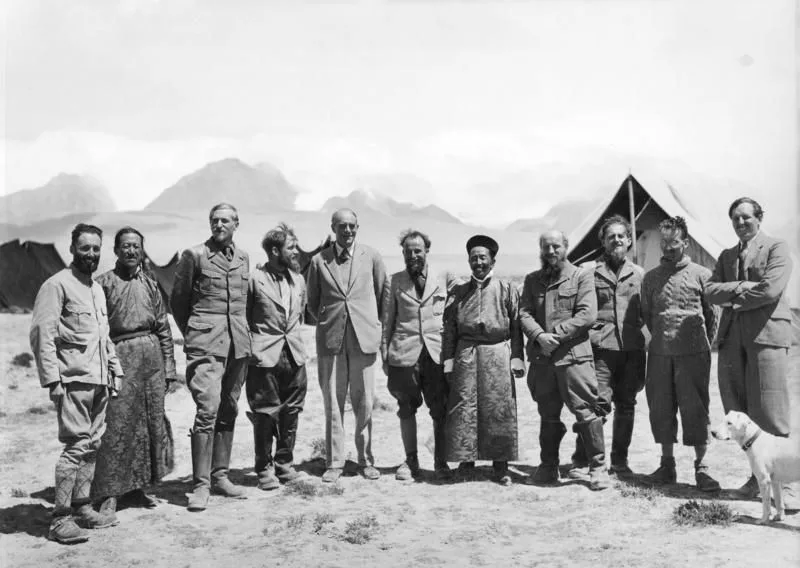
Nazi expeditions to Tibet, the hunt for ancient artefacts like the Spear of Destiny, and experiments in mind control and eugenics all fuel the speculative horror machine. These elements are echoed in everything from Frankenstein’s Army to Hellboy, which draws directly from Nazi occult mythology.
The infamous Die Glocke (The Bell) conspiracy theorises a Nazi time-travel or anti-gravity device—ideas echoed in numerous alt-history films and shows. Soviet mythology and Slavic folklore, rich with forest spirits and witches, permeate Cold War-themed supernatural thrillers like Warhunt.
In Japan, post-WWII trauma birthed its own monstrous metaphors. The psychic girl in Lorelei: The Witch of the Pacific Ocean echoes the spiritual and scientific guilt of Hiroshima and Nagasaki. Godzilla, originally a metaphor for nuclear devastation, shares DNA with these films in its blend of history, horror, and metaphor.
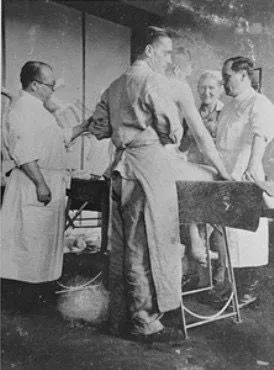
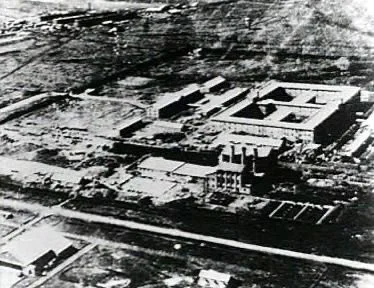
Many films also nod to real wartime atrocities—experiments by Unit 731 in Manchuria, Soviet retribution campaigns in Eastern Europe, and the scorched-earth policy that decimated entire civilian populations. When the supernatural appears in these films, it often serves as a metaphor for real-world evil that is almost too horrific to comprehend.
Facing the Unseen Enemy
The supernatural World War film is more than a genre mashup. It’s a psychological excavation, an artistic awakening against sanitised portrayals of war, and a philosophical inquiry into good, evil, and the unknown. Whether channelling folklore, occult panic, or personal trauma, these films remind us that some scars go deeper than the flesh—and some wars are fought long after the gunfire stops.
In these stories, the battlefield becomes a liminal space where the past haunts the present, and soldiers confront not just enemies, but the abyss of human nature itself. The real horror is often not the ghost or the monster, but the memories that refuse to die. As long as war endures, so too will the ghosts it leaves behind.
A Must-Watch Supernatural World War Films
Here’s a curated list of essential supernatural war films that define or push the boundaries of the genre:
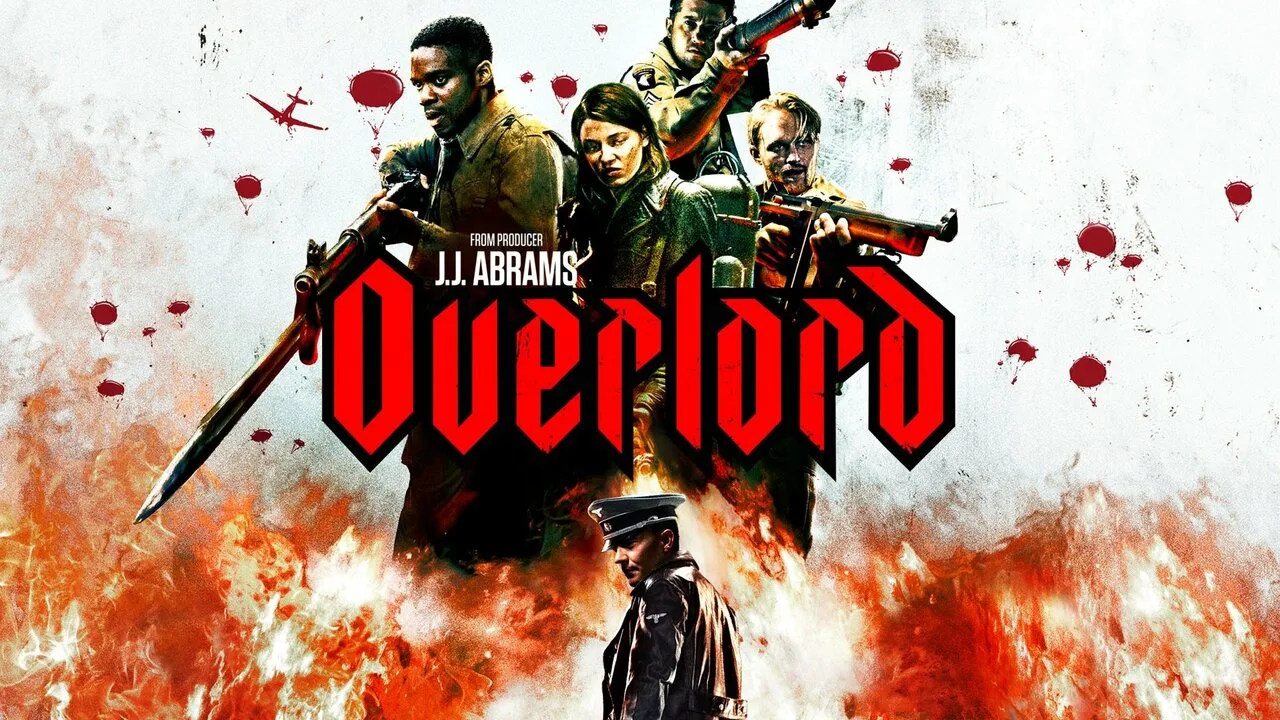
1. Overlord (2018)
WWII zombie horror with Nazi occult undertones.
A squad of American paratroopers uncovers a secret Nazi lab creating undead soldiers. Slick, brutal, and unapologetically pulpy, it explores the intersection of body horror and war atrocities.
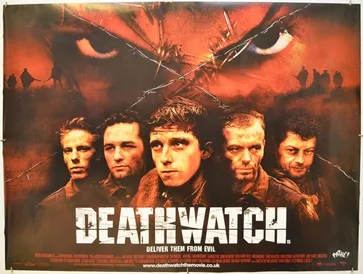
2. Deathwatch (2002)
World War I trench warfare meets ghost story.
British soldiers stumble upon an abandoned German trench filled with mysterious fog and supernatural terror. A grim parable about guilt and purgatory.
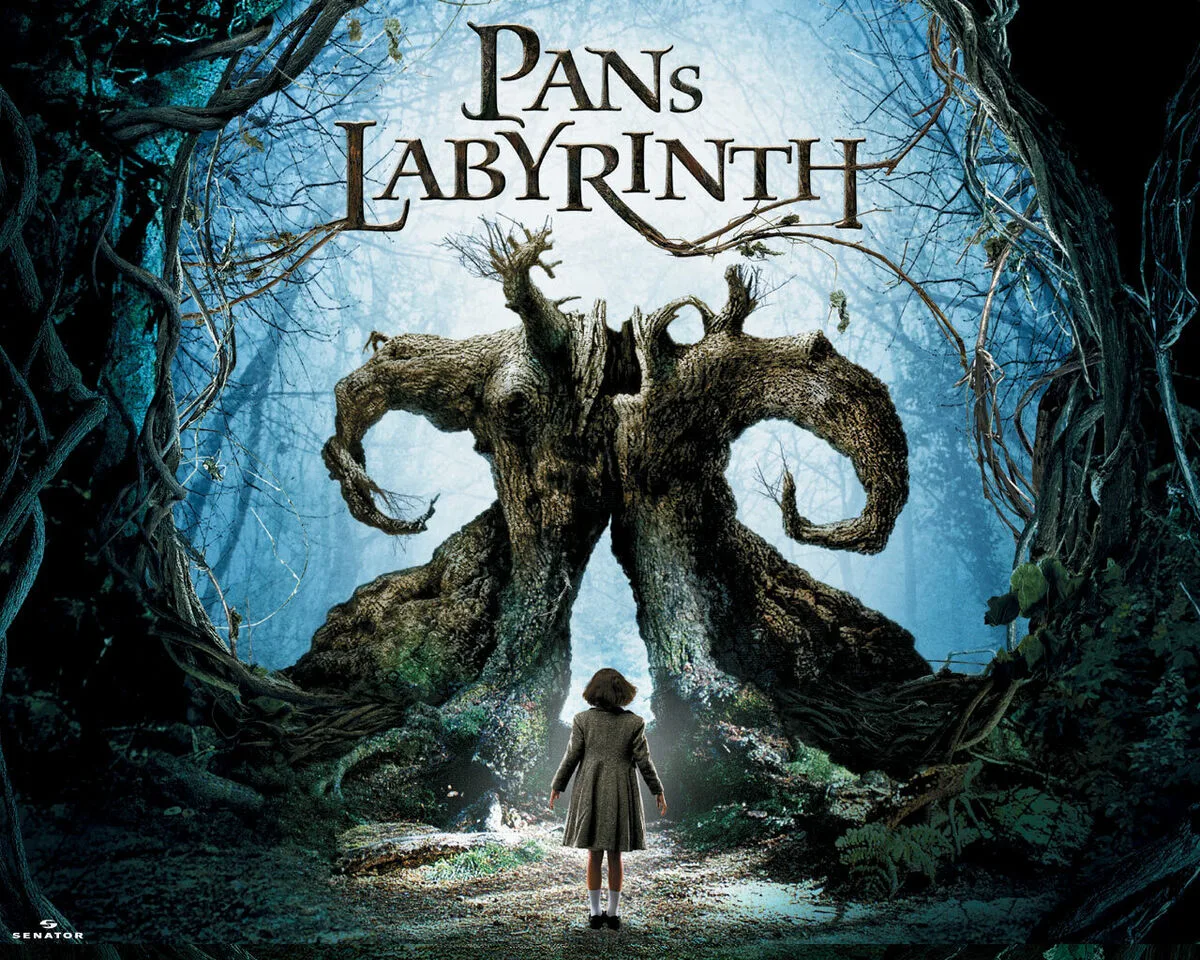
3. Pan’s Labyrinth (2006)
Spanish Civil War with dark fantasy elements.
A young girl escapes the brutality of fascist Spain through mythic quests in a nightmarish underworld. While not a World War film per se, its themes of war, innocence, and the supernatural are foundational.
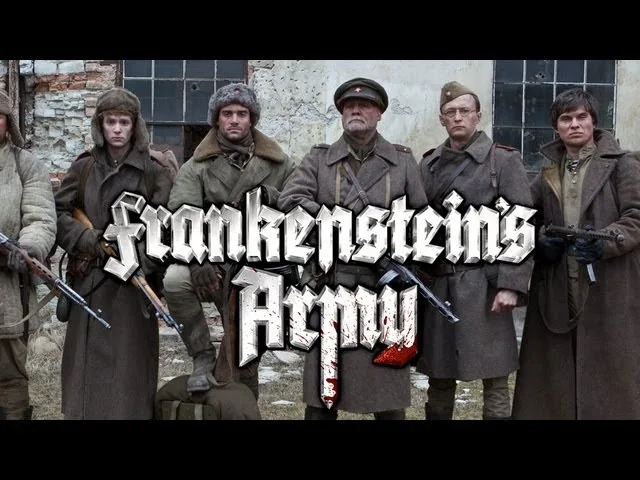
4. Frankenstein’s Army (2013)
Dieselpunk madness with Nazi bio-horrors.
Set during the closing days of WWII, this found-footage-style gore-fest imagines Soviet soldiers stumbling upon a Nazi experiment gone horribly wrong.
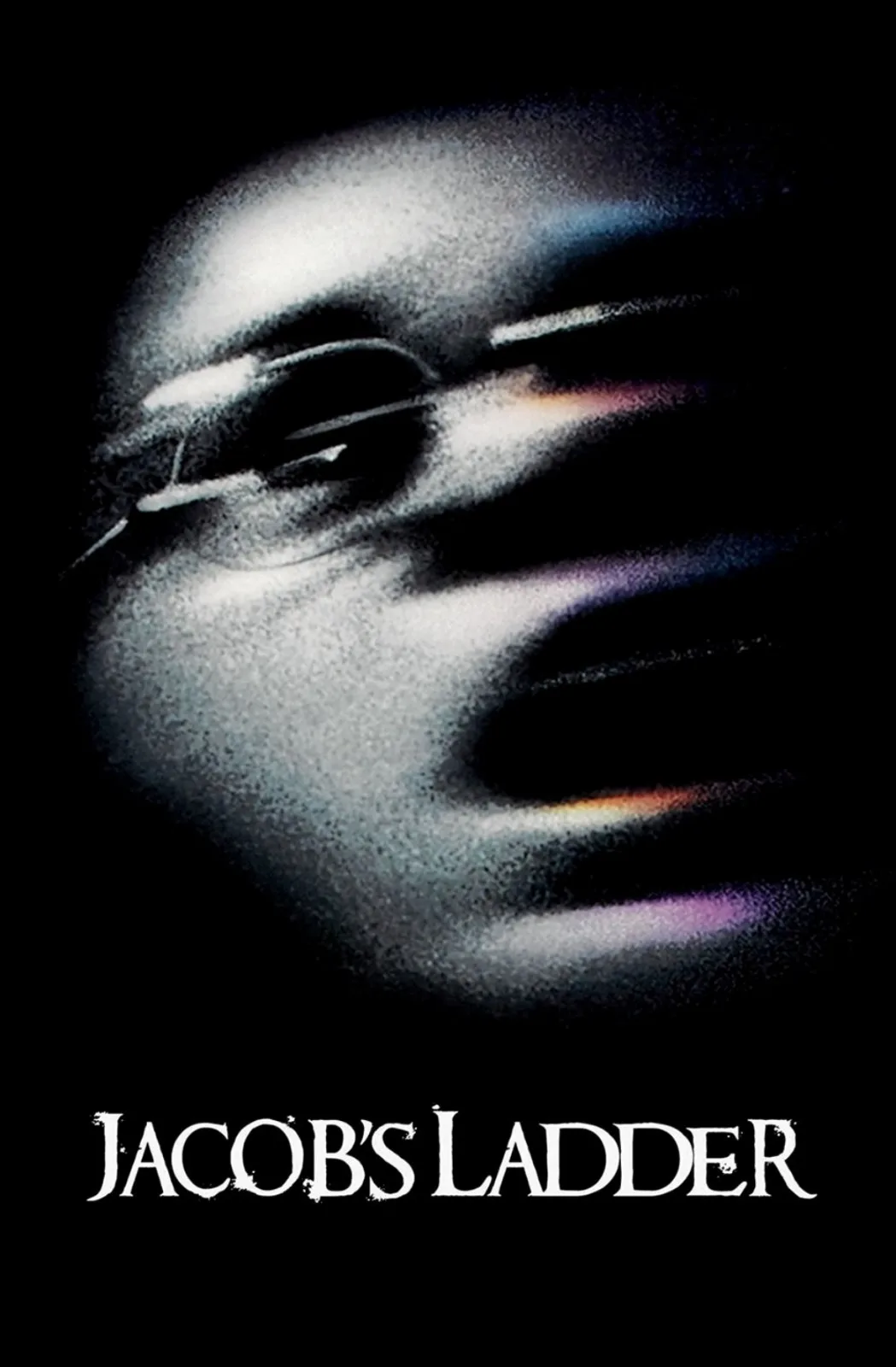
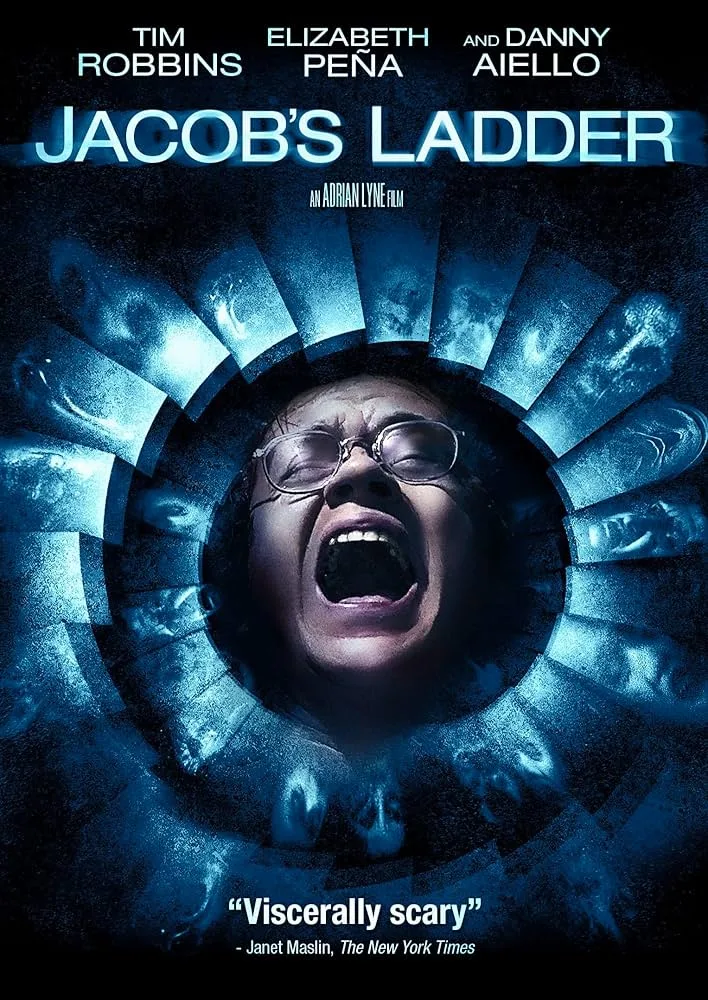
5. Jacob’s Ladder (1990)
Vietnam War trauma through a surreal, demonic lens.
Though not WWII, its influence is undeniable. A veteran haunted by terrifying visions must confront whether he is alive, dead, or in a metaphysical limbo.
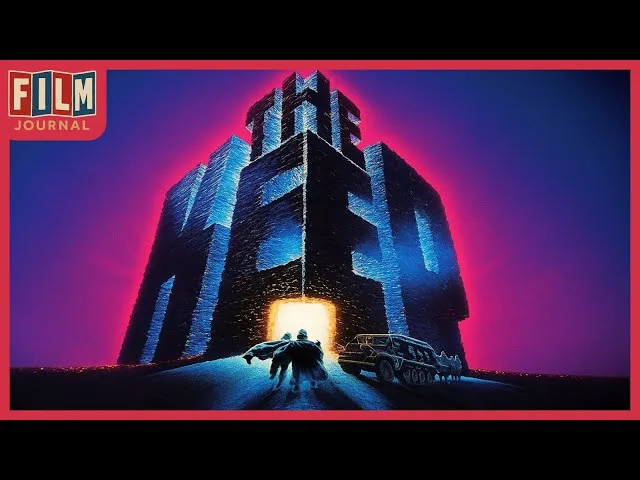
6. The Keep (1983)
Michael Mann’s cult classic blends Nazis and Lovecraftian horror.
A Romanian fortress holds a dark secret that consumes a Nazi platoon. Ethereal, disjointed, and ambitious.
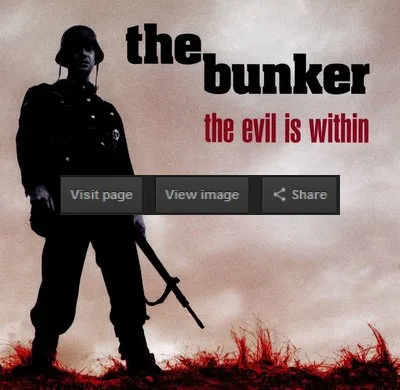
7. The Bunker (2001)
WWII soldiers trapped with ghosts of the past.
A German unit hides in an underground bunker as tensions and unexplained phenomena unravel their sanity. Atmospheric and character-driven.
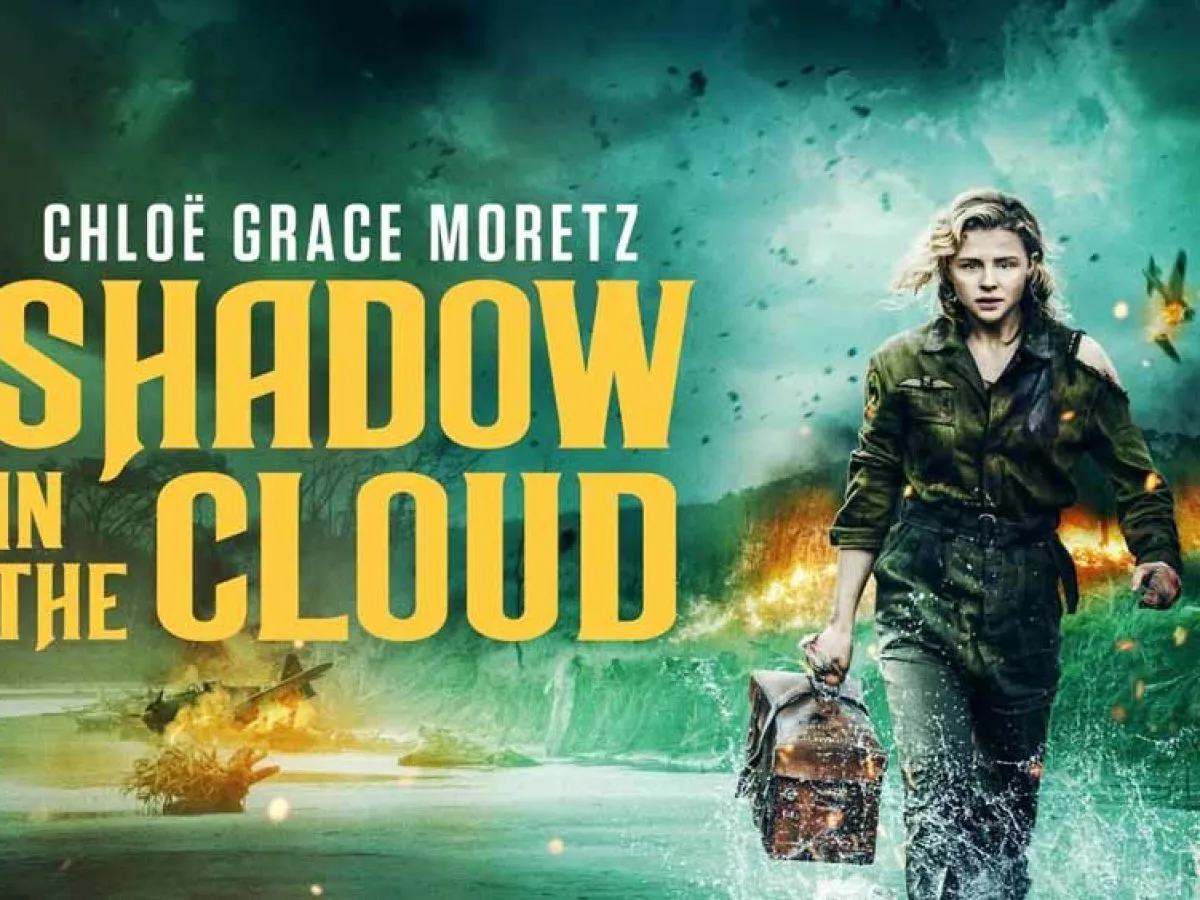
8. Shadow in the Cloud (2020)
WWII aerial thriller with supernatural monster mayhem.
A female pilot battles sexist crewmates—and a winged demon—on a bomber flight. Fast-paced and genre-bending.
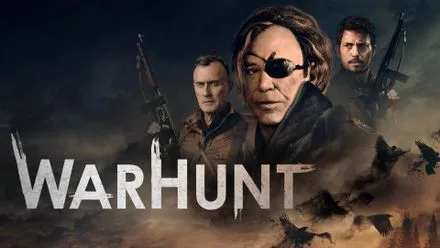
9. Warhunt (2022)
Black Forest folklore meets military mission.
A recon unit finds witches, ancient runes, and cursed soldiers in the dying days of WWII. A visually stylish, if flawed, entry into supernatural war cinema.
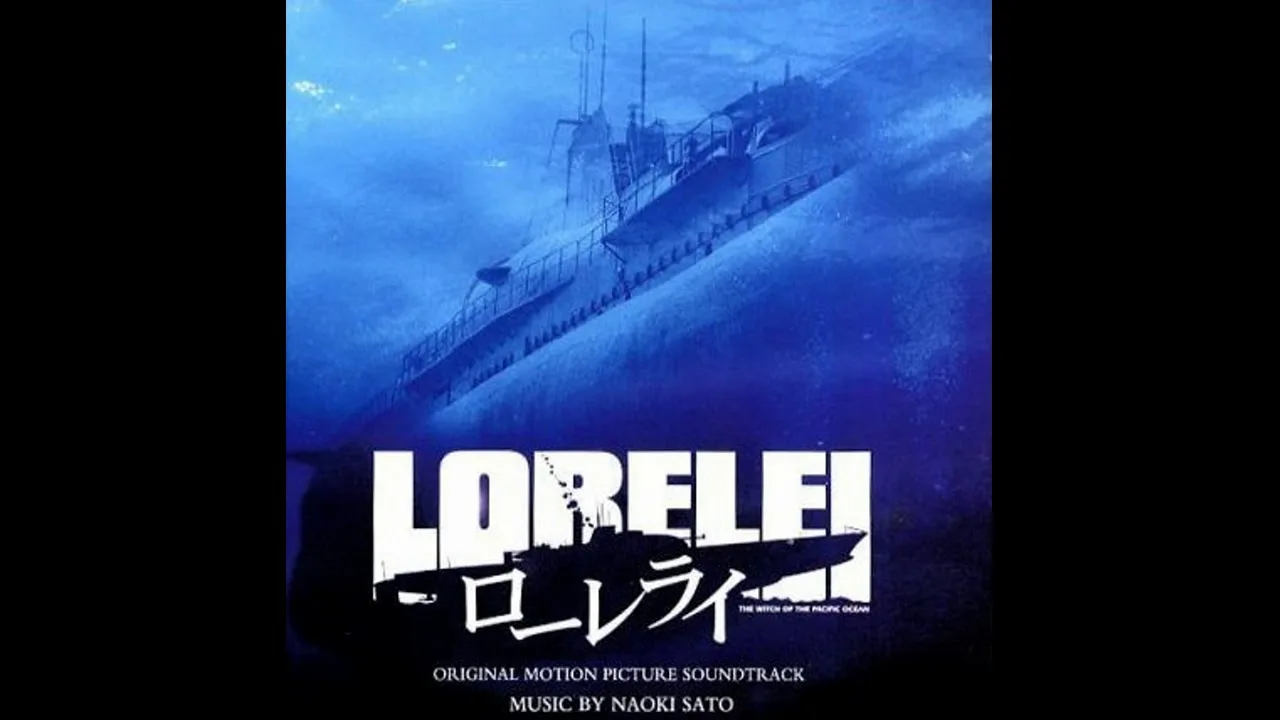
10. Lorelei: The Witch of the Pacific Ocean (2005)
Japanese alt-history war fantasy.
A WWII submarine is equipped with supernatural technology—and a psychic girl—to stop nuclear disaster. Unique and surprisingly emotional.
Related Articles
Comments
No comments yet.