

Throughout its history, metal has never existed in isolation; it has continuously intersected with other genres like punk, industrial, and noise to push its boundaries, experiment with sounds, and fuel new forms of sonic rebel acts. These crossovers, while often stemming from shared ideological roots, have given rise to distinct subgenres, with underground bands playing key roles in driving innovation. Let’s dive into the sea of information about how metal has crossed paths with punk, industrial, and noise music, and look into both underground acts and mainstream figures while providing insights into the development of these hybrid genres.
Punk and Metal: The Birth of Crossover Thrash and Its Evolution
Punk’s raw energy, stripped-back sound, and do-it-yourself ethos have influenced a broad spectrum of musical genres, but perhaps its most famous union was with metal. This union created crossover thrash, a genre that blurred the line between the aggression and speed of punk and the complexity and heaviness of metal.
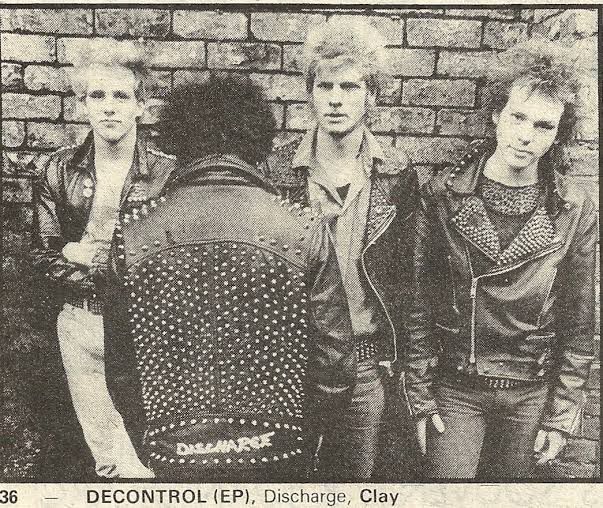
Formed in 1977 in Stoke-on-Trent, England, Discharge is often credited with pioneering the D-beat subgenre, characterised by its relentless, driving rhythms and politically charged lyrics. Their debut album, Hear Nothing See Nothing Say Nothing (1982), became a blueprint for many thrash and extreme metal bands. Metallica, Anthrax, and Sepultura have all cited Discharge as a significant influence, with Metallica covering “Free Speech for the Dumb” on their Garage Inc. album.
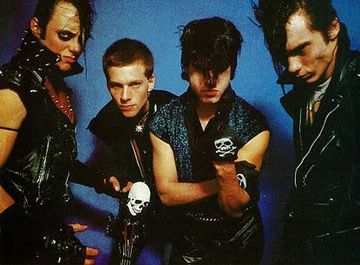
Emerging from Lodi, New Jersey, in 1977, The Misfits blended punk rock with horror-themed imagery, creating a subgenre known as horror punk. Their fast tempos and melodic sensibilities resonated with metal audiences. Bands like Metallica and Guns N’ Roses have covered Misfits songs, acknowledging their impact on the metal scene.
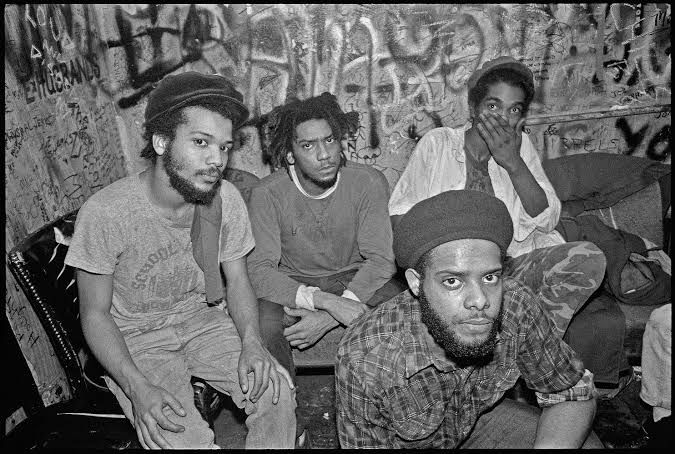
Hailing from Washington, D.C., Bad Brains formed in 1977 and are renowned for their high-energy performances and fusion of punk with reggae. Their speed and musical prowess set them apart, influencing the development of hardcore punk and thrash metal. Metallica’s James Hetfield has expressed admiration for Bad Brains, noting their influence on his musical approach.
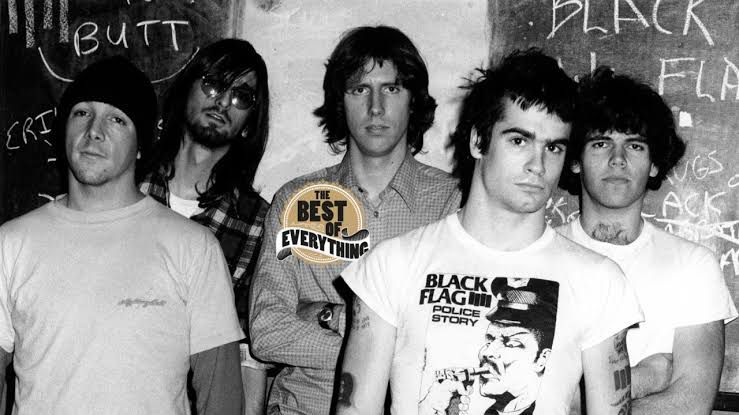
Black Flag played a crucial role in shaping crossover metal by pushing hardcore punk toward heavier, more metallic sounds. Their early fast, and aggressive style laid the groundwork for hardcore’s intensity, while later albums like My War (1984) introduced slower, sludgier riffs that influenced both metal and punk musicians. Greg Ginn’s chaotic guitar work and the band’s raw, uncompromising attitude resonated with emerging crossover acts like D.R.I., Corrosion of Conformity, and Suicidal Tendencies, who fused punk aggression with metal’s precision. Though not a crossover band themselves, Black Flag’s boundary-pushing approach helped bridge the gap between punk and metal.
Early Days of Crossover Thrash
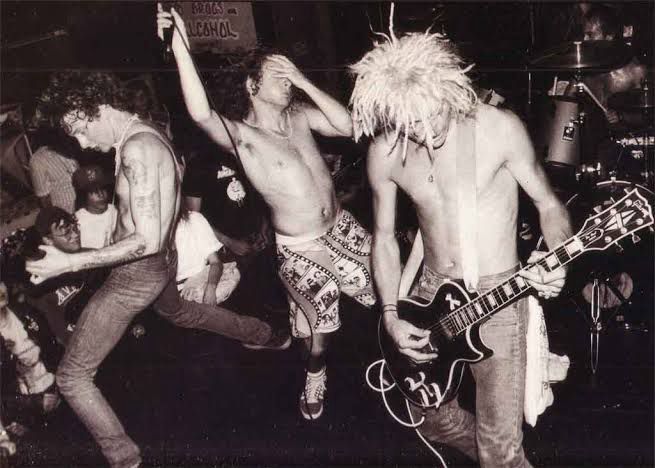
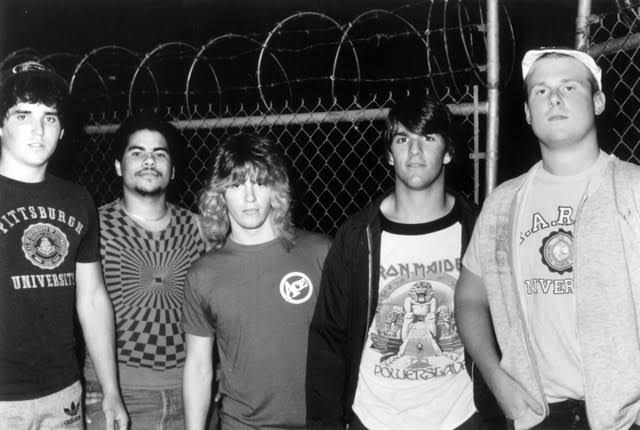
The first signs of punk’s influence on metal came in the early 1980s, as bands in both genres began to explore the possibilities of fusing their sounds. While D.R.I. (Dirty Rotten Imbeciles) And Suicidal Tendencies became early pioneers of crossover thrash, underground acts like Excel (with The Joke’s on You, 1989) and Cryptic Slaughter (known for Convicted, 1986) played crucial roles in further developing the genre.
Unlike the more polished thrash bands like Metallica and Megadeth, these underground bands embraced the raw and unpolished aesthetic of punk. Excel, for instance, focused on delivering politically charged messages with catchy, yet aggressive riffs, making them a perfect example of the crossover mentality. Meanwhile, Cryptic Slaughter took the speed and aggression of hardcore punk and applied metal musicianship to their sound.
Emerging from the New York hardcore scene in the early 1980s, Cro-Mags infused their hardcore punk sound with thrash metal elements. Their debut album, The Age of Quarrel (1986), is considered a crossover classic, influencing both punk and metal bands with its aggressive style and philosophical lyrics.
Originating from Seattle in 1981, The Accüsed developed a style they dubbed “splattercore,” combining hardcore punk with thrash metal and horror-themed lyrics. Their energetic performances and unique sound influenced many bands in the crossover scene.
A side project formed by members of Anthrax and Nuclear Assault in 1985, S.O.D. blended hardcore punk’s brevity with thrash metal’s precision. Their album Speak English or Die (1985) became a seminal work in crossover thrash, inspiring countless bands to explore the fusion of punk and metal.
Starting as a hardcore punk band in Raleigh, North Carolina, in 1982, Corrosion of Conformity transitioned into a crossover and later a sludge metal band. Their album Animosity (1985) is a landmark in the crossover genre, showcasing their ability to merge punk aggression with metal riffs.
Among the most influential bands in merging hardcore punk with metal was Agnostic Front, one of the pioneers of New York Hardcore (NYHC). Their 1986 album Cause for Alarm was groundbreaking, blending hardcore’s speed and rawness with the heavier, more metallic riffing that would later define crossover thrash. Agnostic Front’s impact extended beyond just hardcore; their mix of aggression and metallic guitar work laid the foundation for bands like Suicidal Tendencies and D.R.I., which would go on to popularize crossover thrash.
Another essential yet underrated band in the crossover movement was The Crumbsuckers. Their 1986 album Life of Dreams was one of the earliest full-length releases to fully merge hardcore’s intensity with metal’s precision. Unlike some of their peers who leaned more toward punk, The Crumbsuckers incorporated complex solos and intricate drumming, making them a bridge between thrash metal and hardcore punk.
Underground acts such as Ludichrist, Excel, and Leeway further explored the fusion of thrash and punk. Leeway, in particular, brought a streetwise NYHC attitude to metal, influencing later acts like Hatebreed and Biohazard.
These bands not only bridged the gap between punk and metal but also laid the groundwork for numerous subgenres and influenced countless artists across the heavy music spectrum. Their willingness to experiment and defy genre boundaries has left a lasting legacy in the world of music.
In the modern era, the genre remains alive with bands like Iron Reagan and Power Trip, who continue the tradition of blending thrash’s intricate instrumentation with punk’s rebellious energy, often pushing the boundary into hardcore territory.

Industrial and Metal: A Fusion of Machines and Madness
The industrial genre, with its experimental nature and mechanical themes, brought a new element to the world of metal, transforming its sonic and lyrical landscapes. Industrial metal is defined by its embrace of synthesisers, abrasive sounds, and mechanical rhythms, and was first popularised by underground groups before being taken to the mainstream by acts like Ministry and Nine Inch Nails. However, a wealth of underground and lesser-known bands also helped shape this subgenre’s diverse sound.
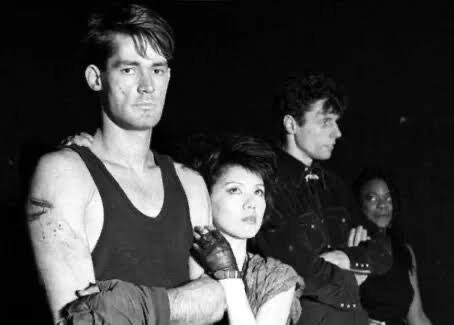
Before industrial metal fully took shape, SPK (formed in the late 70s) experimented with harsh noise, mechanical rhythms, and dystopian themes that would later influence the genre’s sound and aesthetics. Their early work helped define industrial’s aggressive, mechanical tone. A unique mix of punk, psychedelic rock, and early industrial, Chrome (formed in 1975) used heavily processed guitars and futuristic, dystopian themes. Their abrasive, robotic sound influenced later industrial metal acts like Ministry and Fear Factory.
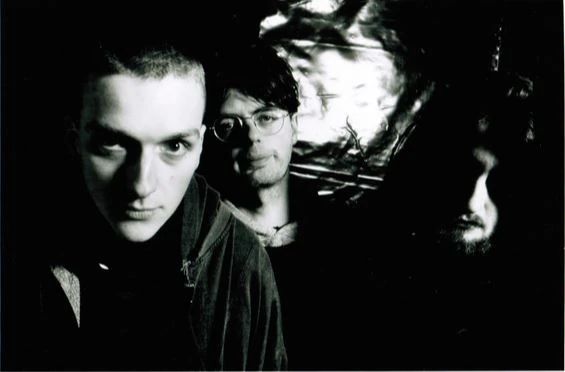
An eclectic band blending industrial, noise, and early metal influences, Controlled Bleeding played a key role in shaping the extreme side of industrial music. Albums like Trudge (1989) feature metallic, percussive rhythms that foreshadowed industrial metal. A side project of J.G. Thirlwell (Foetus) and Roli Mosimann (Swans), Wiseblood fused industrial beats with heavy, distorted guitars, influencing bands like Godflesh and later industrial metal acts. Their 1987 album, Dirt Dish, is a hidden gem.
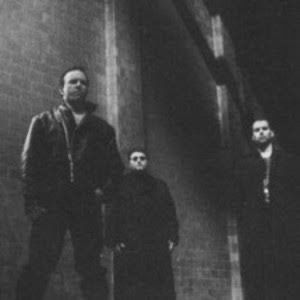
Blending industrial beats with punk and metallic elements, Swamp Terrorists created a hard-hitting, cyberpunk-tinged sound in the early ’90s that influenced underground industrial metal. One of the earliest industrial acts to use metal percussion, Test Dept from the UK, focused on politically charged, metallic rhythms that had a massive impact on the industrial-metal fusion. Their heavy, machine-like sound can be felt in early Godflesh and even Rammstein.
Early Industrial Metal: An Underground Revolution
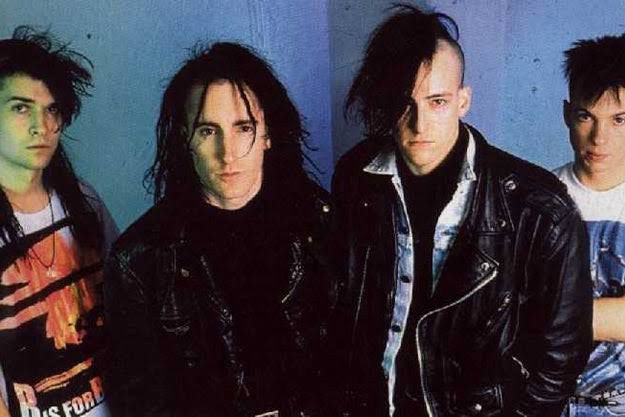
The crossover between industrial and metal began in the early 1980s with groups such as Godflesh, formed in 1982 by Justin Broadrick, a pivotal band that combined the heaviness of metal with the dark, mechanical sounds of industrial. Godflesh’s debut, Streetcleaner (1989) is often regarded as one of the most significant records in industrial metal, with its punishing, repetitive rhythms, distorted guitar work, and futuristic themes. Broadrick’s background in punk bands like Napalm Death helped shape Godflesh’s distinctive approach to metal, blending hardcore’s dissonance with industrial’s nihilistic tone.
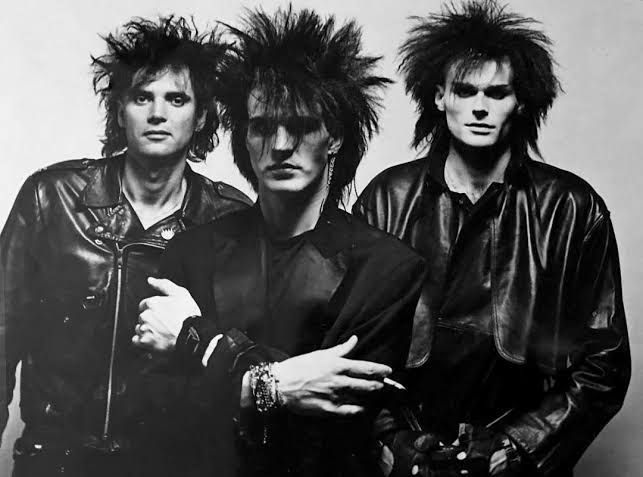
Another significant underground figure is Skinny Puppy, who, although not strictly metal, influenced bands like Ministry and Pigface. Their 1986 album Mind: The Perpetual Intercourse laid the groundwork for many industrial metal subgenres, melding electronic sounds with aggressive guitar riffs.
The Rise of Industrial Metal in the Underground
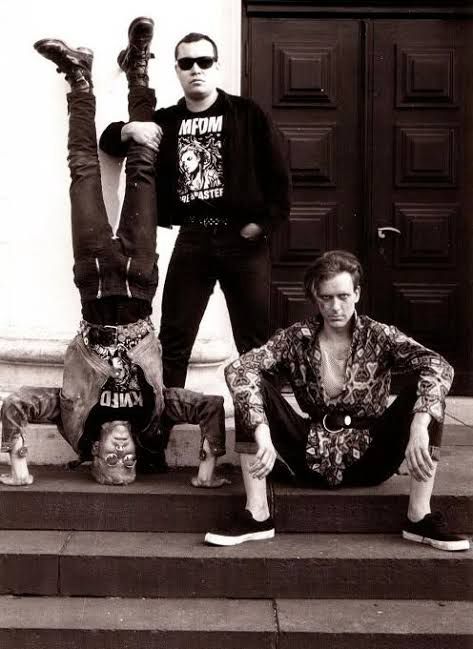
As industrial metal grew throughout the 1990s, several lesser-known bands further pushed the genre’s boundaries. KMFDM, one of the more prominent industrial bands, was integral to the sound of industrial metal, with their distinctive fusion of electronic music, punk influences, and metal. Their 1990 album Naïve demonstrated the genre’s evolving direction.
While they gained more recognition in the ’90s, Die Krupps were blending industrial and metal elements as early as the late ’80s, predating Ministry’s shift to full industrial metal. Their album I (1992) was a major influence on the genre’s evolution. Often overlooked in the industrial metal explosion of the ’90s, Bile mixed harsh electronics, distorted guitars, and sleazy aggression, paving the way for later acts like Static-X and Dope. Their 1994 album Suckpump remains a cult classic.
More obscure yet influential groups such as Pailhead (a collaboration between Ministry’s Al Jourgensen and Ian MacKaye of Fugazi) explored the relationship between punk’s political ideology and the mechanical sound of industrial, forging an aggressive stance that resonated with both punk and metal communities.
Noise and Metal: Breaking the Sound Barrier
Noise music, defined by its embrace of dissonance, feedback, and chaos, has long been an influence on extreme metal. The relationship between noise and metal is inherently experimental, as both genres frequently challenge notions of what constitutes music and sound.
The Noise-Metal Connection
One of the first bands to truly blend noise with metal was Merzbow, a Japanese noise act whose collaborations with metal bands like Boris and Nachtmystium have had a significant impact on the evolution of noise-metal hybrids. Boris’ 2005 album Dronevil showcased their embrace of noise techniques such as dissonance and feedback, while also exploring the realms of doom metal. They furthered the genre with their 2007 album Akuma no Uta, which featured not only noise but also elements of punk and sludge, showcasing the wide range of influences they drew from.
Another band that embraced noise within the metal world was Sunn O))), whose avant-garde drone metal is characterised by its use of noise and feedback. With albums like Monoliths & Dimensions (2009), Sunn O))) built complex, feedback-laden soundscapes that pushed the limits of what metal could sound like, combining ambient noise with sludge and doom elements.
Black Noise and Its Underground Roots
In the underground scene, Darkthrone stands as one of the most innovative bands combining black metal with noise elements. Their album A Blaze in the Northern Sky (1992) is widely regarded as a seminal work in the black metal genre, but it also introduces noise elements, especially in tracks like In the Shadow of the Horns. These dissonant and chaotic moments brought an unpredictable energy to black metal, opening the door for future noise-metal explorations.
Another underground project that has significantly shaped the noise-metal intersection is Gnaw Their Tongues. Their work, particularly An Epiphanic Vomiting of Blood (2008), combines black metal’s bleak aesthetic with avant-garde noise, ambient, and industrial elements. The result is a terrifying, experimental listening experience that challenges listeners to confront sonic chaos.
New Subgenres and Modern Crossovers: Shifting Metal Boundaries
With the continued exploration of metal’s intersection with punk, industrial, and noise, new subgenres and experimental forms have emerged that push the envelope even further.
Sludge Metal: A Heavily Punk-influenced Hybrid
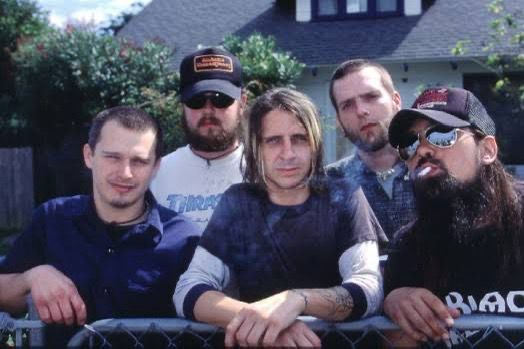
Sludge metal is an excellent example of how metal continues to blend with punk, noise, and doom. Originating in the early 1990s, sludge metal bands like Eyehategod and Acid Bath mixed the heavy, slow tempos of doom metal with the aggression of hardcore punk and the abrasiveness of noise. Eyehategod’s 1993 album Take as Needed for Pain became a hallmark of the genre, capturing the raw emotional weight of punk and sludge’s down-tuned sound.
More recent underground bands like Inter Arma and Church of Misery continue to incorporate these elements, merging sludge with doom and noise, creating a sound that is both heavy and introspective.
Grindcore and Noise: The Unholy Union
Grindcore, an extreme fusion of metal and hardcore punk, emerged in the mid-1980s, pushing the boundaries of speed, aggression, and sonic brutality. This genre not only carved its niche but also significantly influenced the evolution of metal, inspiring countless bands to explore more extreme musical territories.
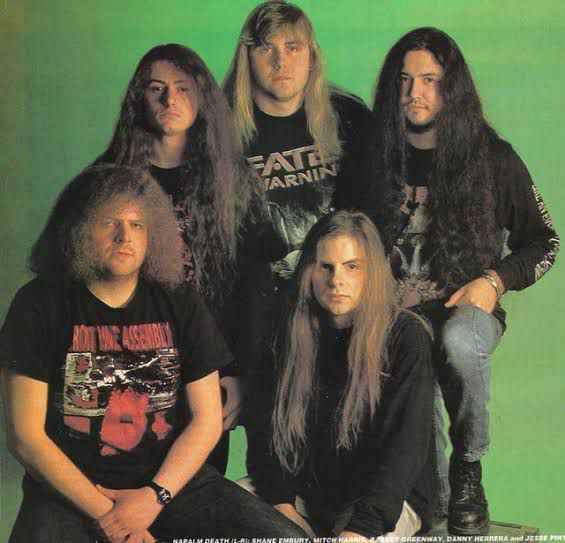
Formed in 1981 in Meriden, England, Napalm Death is often hailed as the progenitor of grindcore. Their debut album, Scum (1987), is a landmark release that defined the genre’s core elements: rapid tempos, blast beat drumming, heavily distorted guitars, and politically charged lyrics. The album’s raw intensity and brevity—featuring tracks like “You Suffer,” recognised by the Guinness World Records as the shortest song ever recorded at 1.316 seconds—set a new standard for extremity in music. Napalm Death’s relentless innovation has profoundly influenced the metal scene, inspiring bands across various subgenres to embrace greater speed and aggression.
Hailing from Flint, Michigan, Repulsion was instrumental in shaping the grindcore sound. Their 1986 demo, later released as the album Horrified (1989), is considered a seminal work in the genre. Repulsion’s music combined the ferocity of thrash metal with the brevity and speed of hardcore punk, laying the groundwork for future grindcore and death metal acts. Their use of blast beats and gruesome lyrical themes influenced numerous bands, cementing their legacy as pioneers of extreme metal.
Siege was a hardcore punk band whose music pushed the envelope of speed and intensity, laying the groundwork for grindcore. Their 1984 demo, Drop Dead, featured rapid tempos, chaotic song structures, and ferocious vocals, elements that would become staples in grindcore. Siege’s influence is evident in the works of later grindcore bands, and their pioneering approach to extreme music has left a lasting impact on the genre.
Extreme Noise Terror (ENT) was pivotal in developing the crust punk and grindcore scenes. Their dual-vocal attack and unrelenting speed distinguished them from their contemporaries. ENT’s debut album, A Holocaust in Your Head (1989), showcased their abrasive sound and politically charged lyrics, influencing both the grindcore and death metal genres. Their collaboration with The KLF in 1992 brought grindcore to a broader audience, highlighting the genre’s versatility and appeal.
Formed in Liverpool, England, in 1985, Carcass initially gained attention for their gore-themed lyrics and imagery, a style that would later be dubbed “goregrind.” Their debut album, Reek of Putrefaction (1988), featured a raw, unpolished sound that combined grindcore’s speed with death metal’s heaviness. Carcass’s later work, particularly Heartwork (1993), played a significant role in the development of melodic death metal, showcasing their evolution and lasting impact on the metal genre.
Originating from Los Angeles, California, in 1986, Terrorizer was a short-lived but highly influential band in the grindcore and death metal scenes. Their posthumously released album, World Downfall (1989), is considered a classic, blending grindcore’s ferocity with death metal’s technicality. The album’s relentless speed, precise musicianship, and socio-political lyrics have inspired numerous bands in the extreme metal spectrum.
Formed in Yorkshire, England, in 1987, Sore Throat was known for their chaotic sound and satirical take on the punk and metal scenes. Their debut album, Unhindered by Talent (1988), featured a mix of extremely short grindcore tracks and longer, doom-laden songs, showcasing their versatility and willingness to experiment. Sore Throat’s irreverent approach and raw sound have influenced many bands in the grindcore and crust punk genres.
Hailing from Belgium, Agathocles formed in 1985 and became known for their prolific output and commitment to the DIY ethic. They coined the term “mincecore” to describe their blend of grindcore and political lyrics. With numerous releases over the decades, Agathocles has maintained a raw, unpolished sound that has influenced many in the grindcore underground.
Established in New York City in 1990, Brutal Truth pushed the boundaries of grindcore with their technical proficiency and willingness to incorporate diverse influences. Their debut album, Extreme Conditions Demand Extreme Responses (1992), is a landmark release that combines grindcore’s speed with elements of death metal and avant-garde noise. Brutal Truth’s innovative approach has inspired a generation of musicians to explore the possibilities within extreme music.
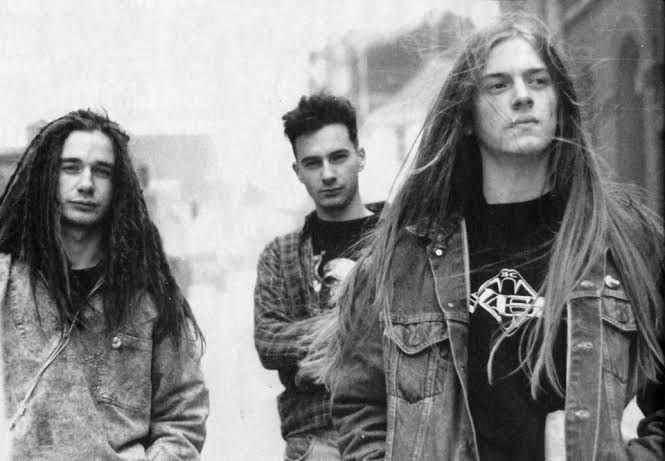
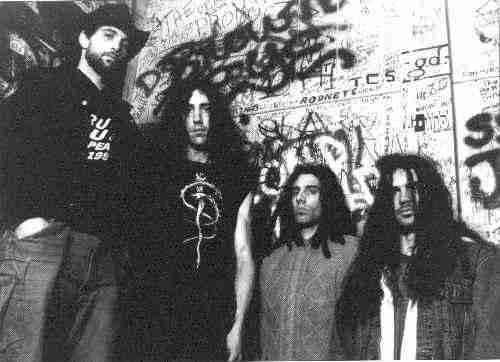
Finally, grindcore remains one of the more radical crossovers between metal and punk. Early grindcore pioneers like Napalm Death and Carcass fused metal’s technicality with punk’s speed, forming a genre known for its brevity, aggression, and ferocity. Numerous bands still continue to push grindcore’s boundaries, incorporating elements of noise and industrial into their sound.
The Continuation of Metal’s Cross-genre Evolution
The intersections between metal, punk, industrial, and noise continue to be a source of creative dynamism. From the early days of crossover thrash to the industrial noise experiments of bands like Sunn O))) and Merzbow, and the evolution of sludge and grindcore, metal remains an ever-evolving genre. Underground acts continue to experiment with new combinations of sounds, proving that the fusion of metal with punk, industrial, and noise will always remain a fertile ground for musical innovation and creative expression.
Spotify List