Unleashed Interview With Johhny Hedlund
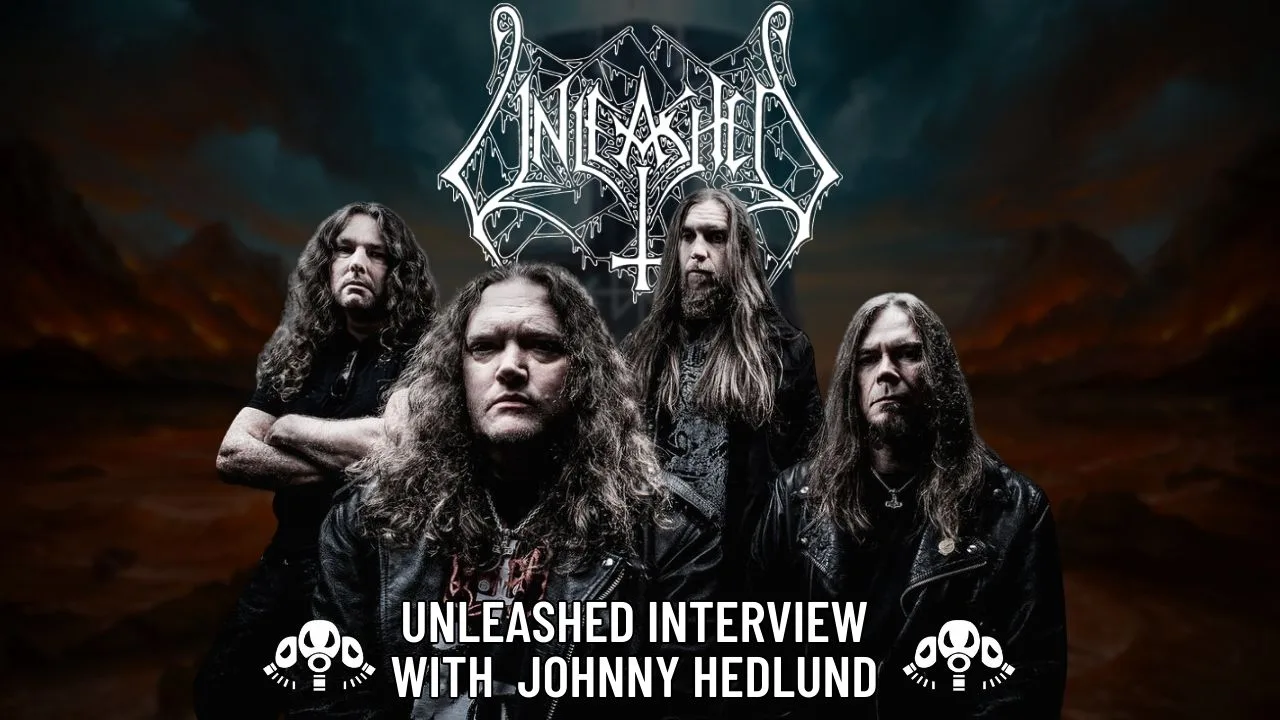

Few bands in extreme metal embody both tradition and endurance like Unleashed. Formed in 1989 out of the ashes of Nihilist, they quickly carved their name into the foundations of Swedish death metal with Where No Life Dwells and Shadows in the Deep. Unlike many peers who leaned heavily into gore and shock, Unleashed forged a different path, invoking Norse mythology, warrior heritage, and ancestral pride long before it became a trend.
I sat down with Johnny Hedlund and Unleashed to dig into the new record, the band’s enduring philosophy, and what it means to stand tall as one of death metal’s most uncompromising forces.
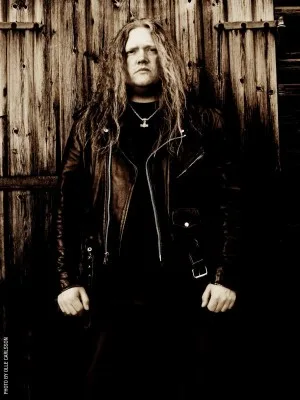
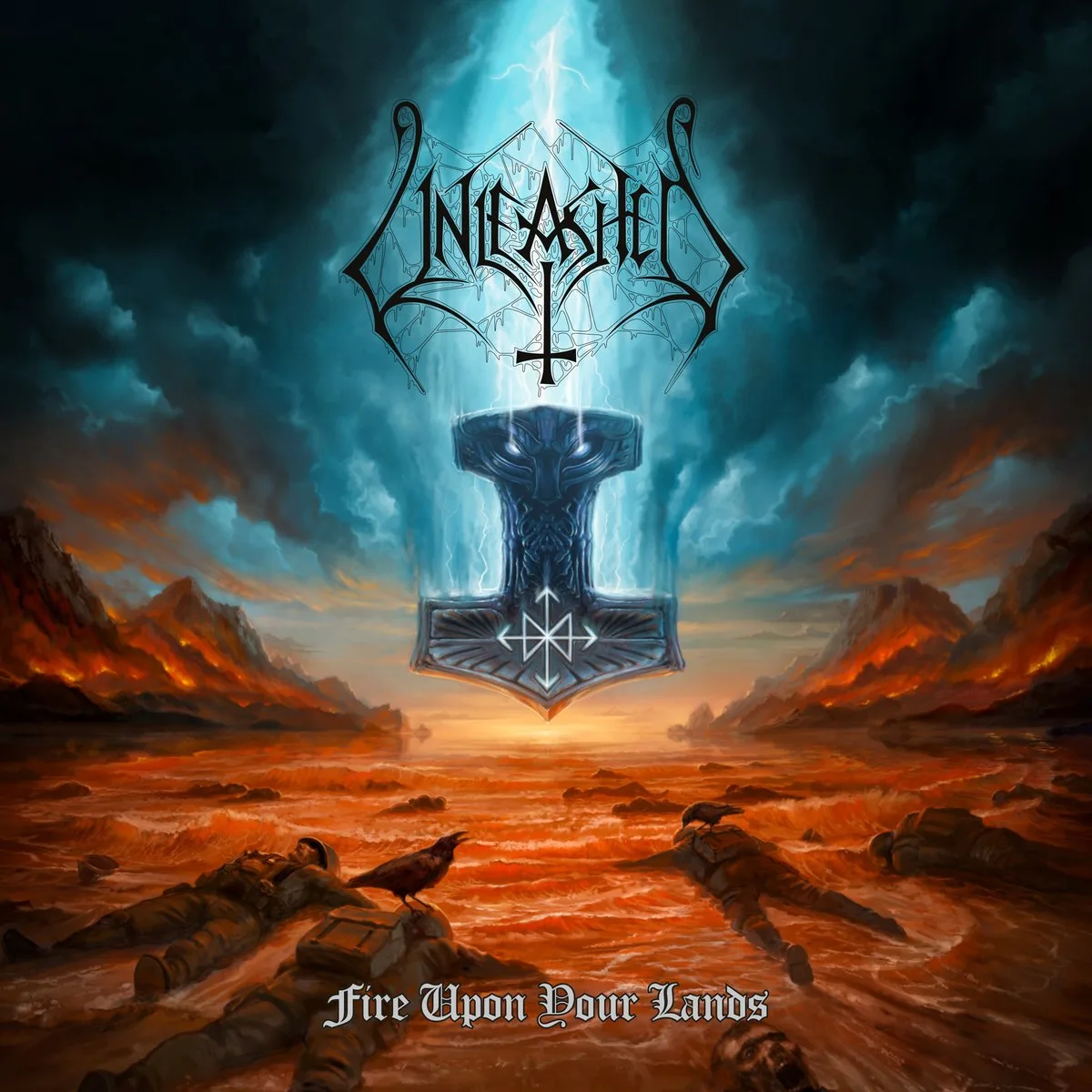
Looking back at your early years with Where No Life Dwells, do you feel that the raw essence of Swedish death metal you helped shape in the early ’90s still lives within Fire Upon Your Lands, or has your vision evolved into something fundamentally different?
Johhny Hedlund ; Hi! I’d say it is still very much the same. We kept to the roots and keep developing. We will always strive to get better at everything and try a few new things, but the most important thing is to keep to the Unleashed core.
You’ve often been cited as one of the bands that carried Viking and Norse themes into death metal long before it became common. Do you feel Unleashed gets the recognition it deserves for pioneering this lyrical direction?
Yes, I think we do. People tell me all the time. Although I don’t really spend a lot of time thinking about it.
This is the sixth instalment of the Odalheim saga. For those not yet familiar with your concept, what’s the deeper philosophy behind carrying this narrative for more than a decade?
The Midgard Warriors' struggle against White Christ is also your everyday struggle in the battle of life. Past, present and future. IT will very likely always be like this. It doesnätr have to be in the future like the story of the World of Odalheim. We must prepare for the battle of life and the hardships of life that inevitably will come our way. With or without weapons.
Tracks like A Toast to the Fallen and To My Only Son carry both martial pride and deep emotional weight. How do you balance brutality with emotional depth when writing lyrics?
This is like all the lyrics on the new album are very much inspired by the storyline. They all have their place in the story that is unfolding. And I think it is also musically important to keep slow, mid-paced and fast songs in the same album to create as much dynamics as possible. Lıfe is like this, sometimes hard, sometimes easier. Although most of the time it is pretty hard, and so is Death Metal.
Production-wise, the album feels both sharp and raw. How did working again with Fredrik Folkare and Erik Mårtensson shape the final atmosphere?
It has been a good cooperation for many albums now, and so it was great. Always good to have a fresh set of ears listening to the final product.
Your songs often hover around the three-minute mark—direct and to the point. Is this a conscious decision to preserve intensity, or just the way Unleashed naturally writes?
Yes, it is consciously chosen. We enjoy listening to memorable music, and it seems a bit rough to create 8-minute songs and demand that people find them memorable. Well, unless you really are good at making long ones and still create a very memorable outcome. Anyhow, I think music in general, not just Death Metal, is better if the songs aren’t too long.
After more than 35 years together, what still sparks creativity for Unleashed? Do you approach writing now with discipline, or is it still driven by raw instinct?
I think we just do what we do. We have done this for such a long time now that it would feel very strange not to haha. Indeed, it demands discipline in some way, but it is also a free creative process in a sense. We have no boundaries from someone outside of the band,
Unleashed’s lyrics often touch on ancestry, honour, and the legacy of warriors. How do you see these themes resonating with today’s younger generation, who may feel cut off from heritage?
This is at least one of the things I try to instil into the younger generations. Perhaps, at some point in life, they will check things out, perhaps now, later. If we do a good job, it is at least something they can look into when they have time for it.
The Odalheim saga could easily be read as an allegory for modern struggles—identity, survival, conflict. Do you intend this parallel, or do you prefer listeners to stay immersed in the mythic world?
The World of Odalheim is indeed a story about the future. A time yet to come. There will, of course, be many references to today's world since the future comes from what happens today and in the past. And that is what Unleashed has been about from the start. The past, present and future of Viking traditions and values. But yes, there is much fiction, of course, in the storyline since no one really knows what will happen in the future.
Do you see Unleashed as primarily a musical force, or as cultural guardians of a worldview and tradition through extreme metal?
We are a Death Metal band. Bringing some courage to our Warriors in a world of trouble. That is perhaps how I would describe it.
The Swedish death metal scene has changed drastically since the late ’80s. What aspects of the underground spirit remain intact, and what has been lost in today’s globalised, digital metal world?
I am not sure how much has changed. But of course, things changed a lot as the internet came. An impact that changed everyone and everything. But we still see a lot of good friends and new ones at our shows, so I am all good with it.
Many new death metal bands cite Unleashed as a major influence. Which contemporary bands do you personally follow or respect for keeping the torch alive?
Oh, that would be a good number of bands. I’d say it is also pretty hard to say exactly what influenced you; it can be just anything, really. But still, it is pretty important not to get influenced too deeply, as it could change the core of the band. Keeping to the roots is important for us. But again, new influences are something that just happens, and it is inevitable.
From Nihilist to now, you’ve seen labels, trends, and subgenres come and go. What do you think allowed Unleashed to remain consistent and uncompromising, where others faded?
We spoke of this in the early days of the band. You can play anything you like, just not in Unleashed, since we want to keep to the roots. Inspirations from other music are good, but must be balanced. There is also an agreement in the band to really be consistent. This is key.
Johnny, you’ve carried Unleashed as both bassist and vocalist since the beginning. After decades, how do you maintain both physical stamina and mental fire for this music?
I have lived this life for a very long time; I don’t know another one. And I don’t want another one. So we keep the flame burning and just keep on rolling. It is still very inspiring to create new music and lyrics and go out and play. What we get in return from our warriors of faith is just incredible, and I don’t want to live without it.
Finally, if you could leave one lasting message to the global extreme metal community through Fire Upon Your Lands, what would it be?
When shit hits the fan and hardships come your way-stand up and fight! Prepare for anything! War will always come again, and the only option is to be a Warrior and fight it! With or without weapons.
Thanks for the interview! Hail Odin!
Related Articles
Aenon - Heretic (Music Video)
Baest - Ecclesia (Official Video)
Crawl - No Way Out (Album Review)
Comments
No comments yet.